United Kingdom (GBP)

How do you store air-drying clay? It’s a common question we get. Store it airtight! Air-drying clay stays soft for longer if you wrap it thoroughly in plastic, place it in an airtight container or bag, and ideally add a slightly damp cloth. Want to know more about how to keep your clay flexible for as long as possible and what to do if it has already started to dry? In this blog post, we share our best tips.
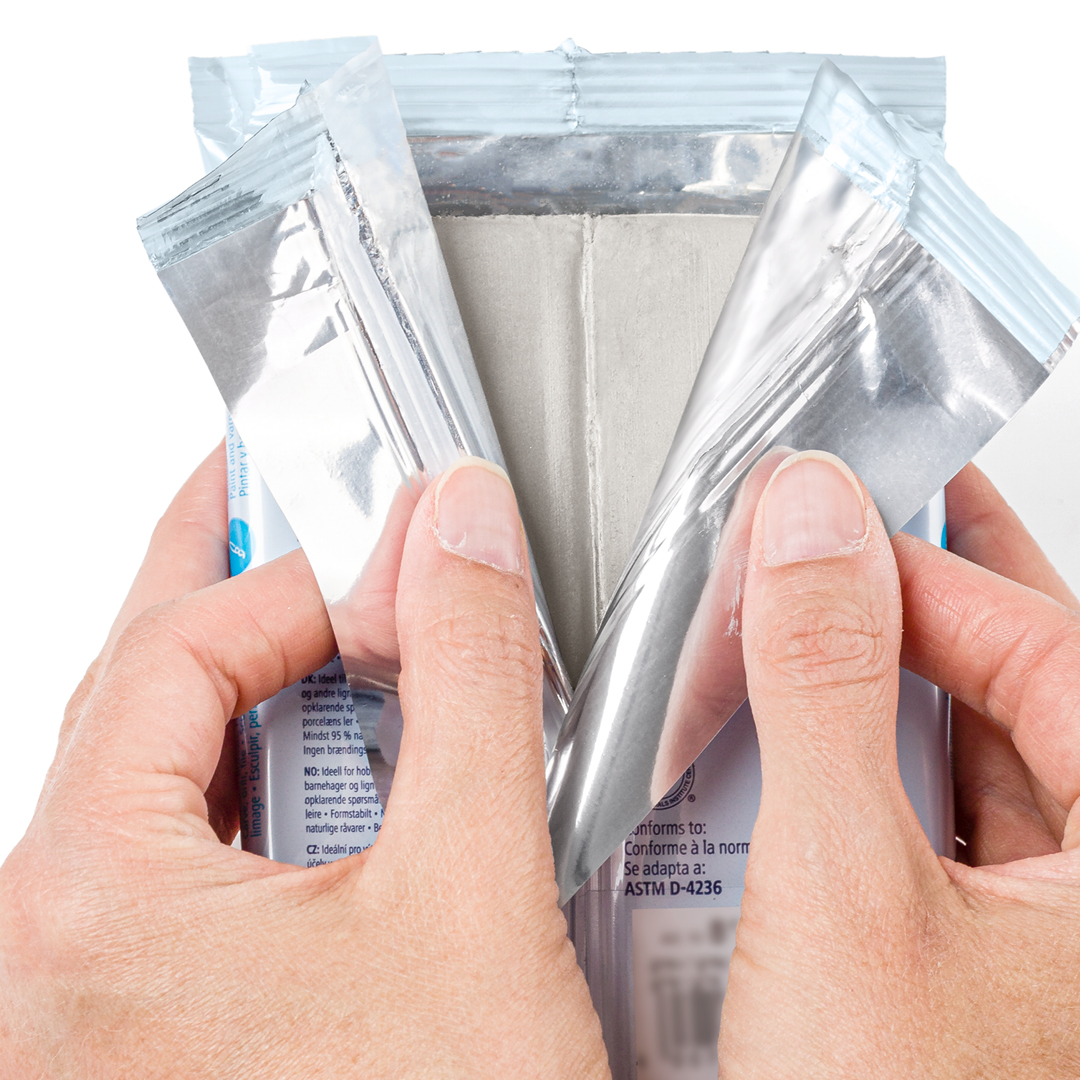
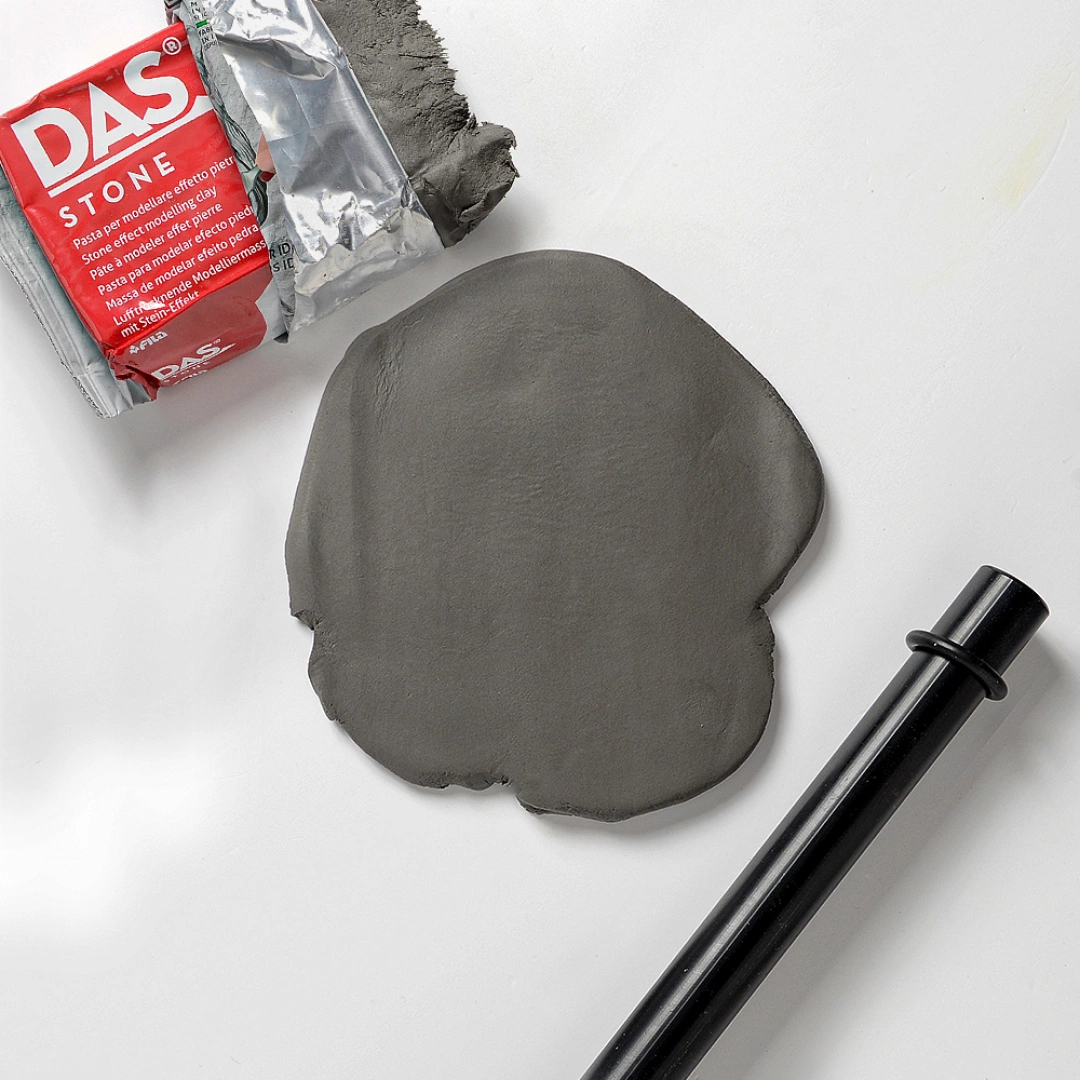
Why is proper storage important?
Air-drying clay begins to harden as soon as it’s exposed to air, which means that improper storage can make it dry and brittle before you even get to use it. If you store your opened clay correctly, sealing it airtight and adding moisture when needed, it can stay soft and workable for several weeks or even months. Without proper storage, however, it can start drying out after just a few days. An unopened pack usually has a longer shelf life and can last from several months up to a year, depending on the brand and storage conditions. For best results, keep it in a cool and dark place, away from direct sunlight and heat.
How to keep your clay soft – 7 storage tips
1. Use an airtight container
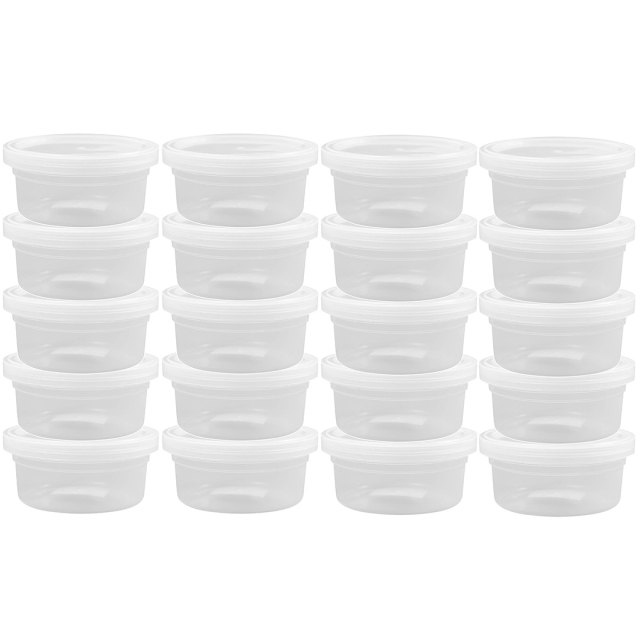
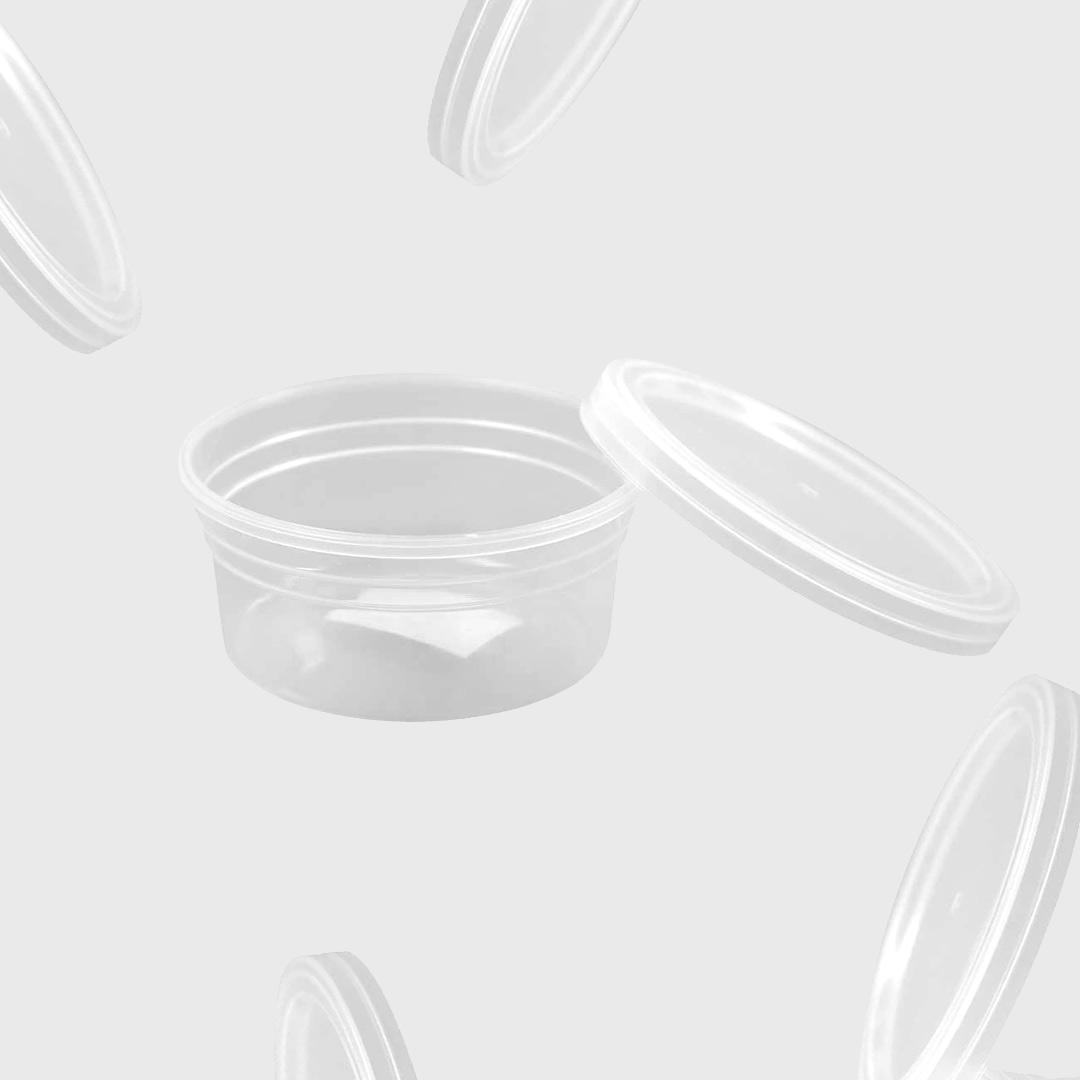
Since air-drying clay hardens when exposed to air, it’s important to store it in an airtight container. A plastic jar with a tight-fitting lid or a ziplock bag works well. Make sure to press out all the air before sealing the bag.
2. Wrap the clay properly
Before placing the clay in a container, you can wrap it in plastic film. The plastic wrap helps prevent air from reaching the surface and drying out the clay. Ensure the wrap is snug around the clay with no air pockets.
3. Add a bit of moisture
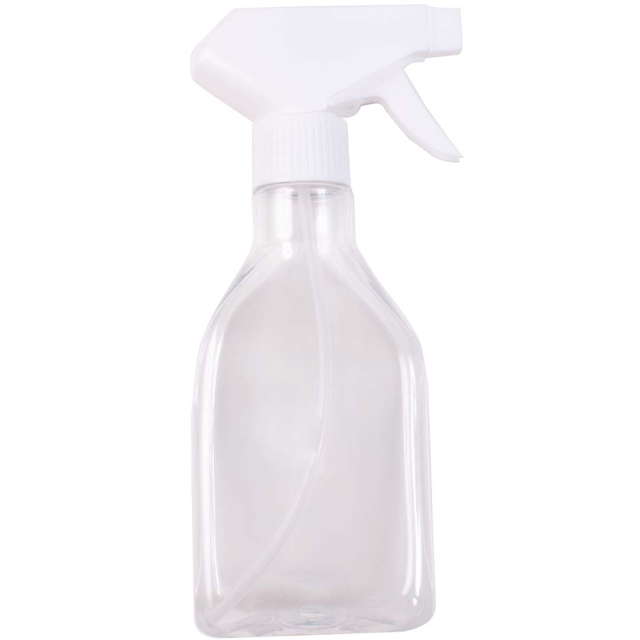
To further extend its life, place a lightly damp cloth in the container along with the clay. Alternatively, you can spray a small amount of water onto the surface before wrapping it in plastic. Avoid over-wetting, as it can affect the clay’s texture.
4. Store in the right place
Clay should be kept in a cool, dark place to prevent it from drying out prematurely, ideally no warmer than +5°C. Avoid direct sunlight and heat sources, such as windows, radiators or heaters, which can speed up the drying process.
5. Store different brands and types of clay separately
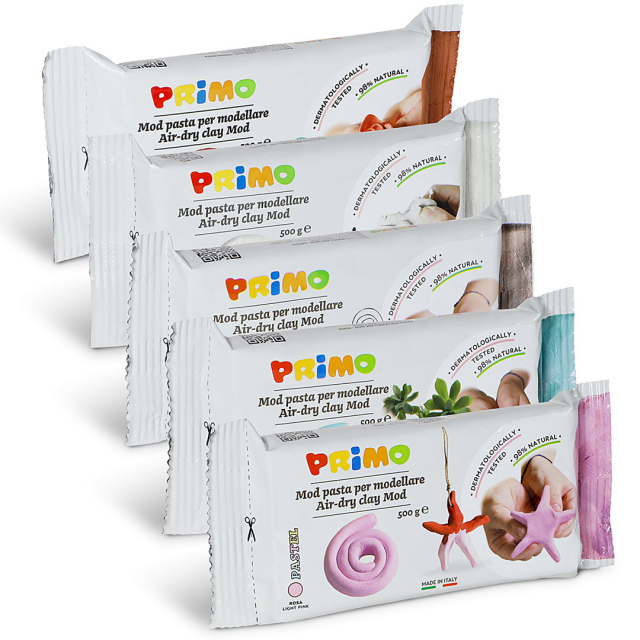
Different brands and types of air-drying clay have varying drying times and characteristics. To avoid uneven drying or cracks, store each type separately, preferably in its original packaging or individually wrapped. Small portions can be kept in the same container as long as they’re separated in individual plastic bags.
6. Only take out small amounts at a time
To prevent the entire block of clay from being exposed to air and drying out, only open one side of the package and take out a small, manageable amount at a time. This helps keep the rest of the clay soft for longer and reduces the risk of premature drying.
7. Clay with resealable packaging
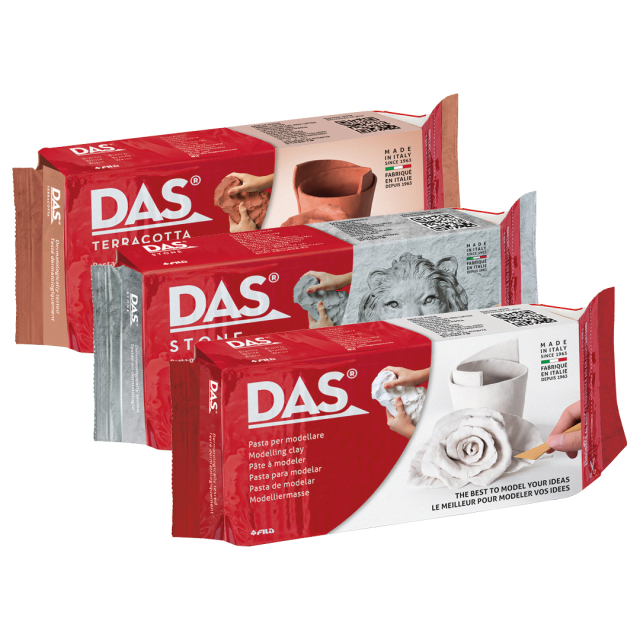
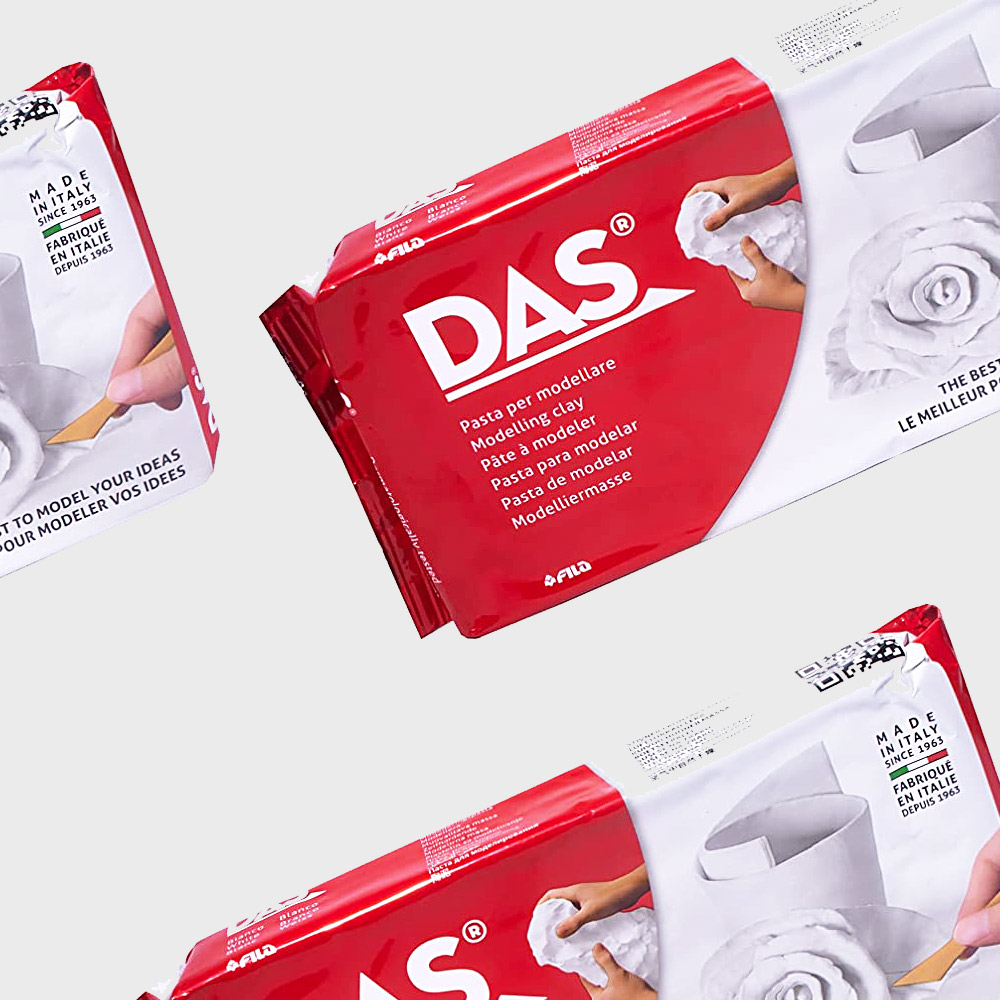
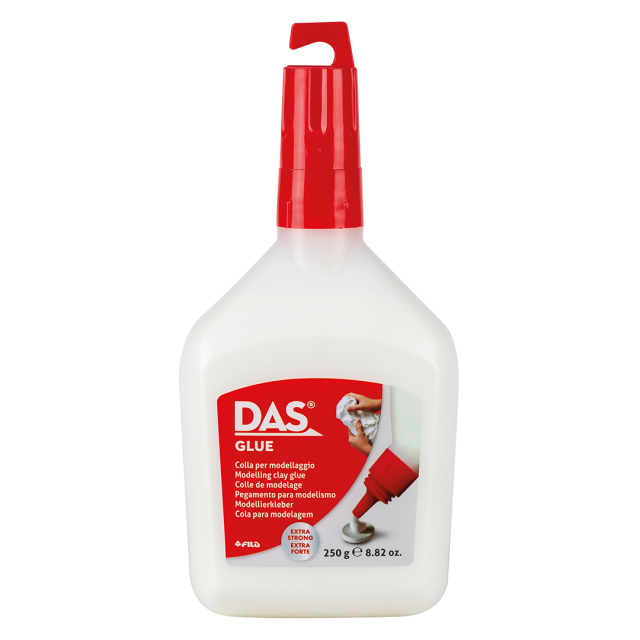
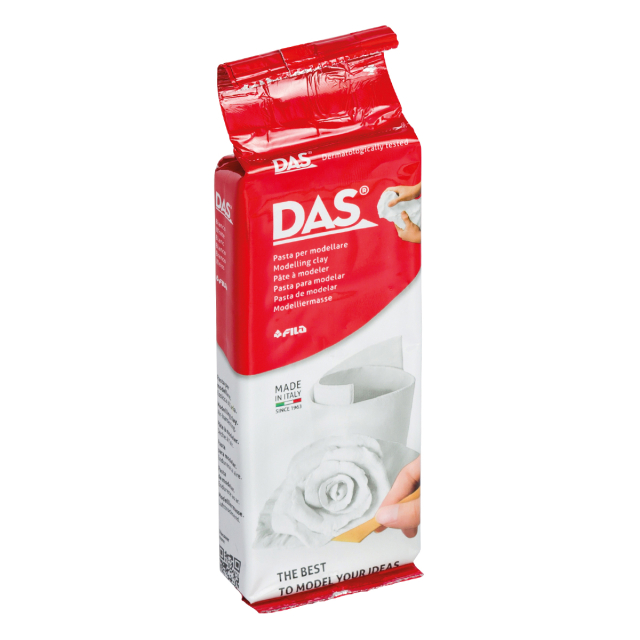
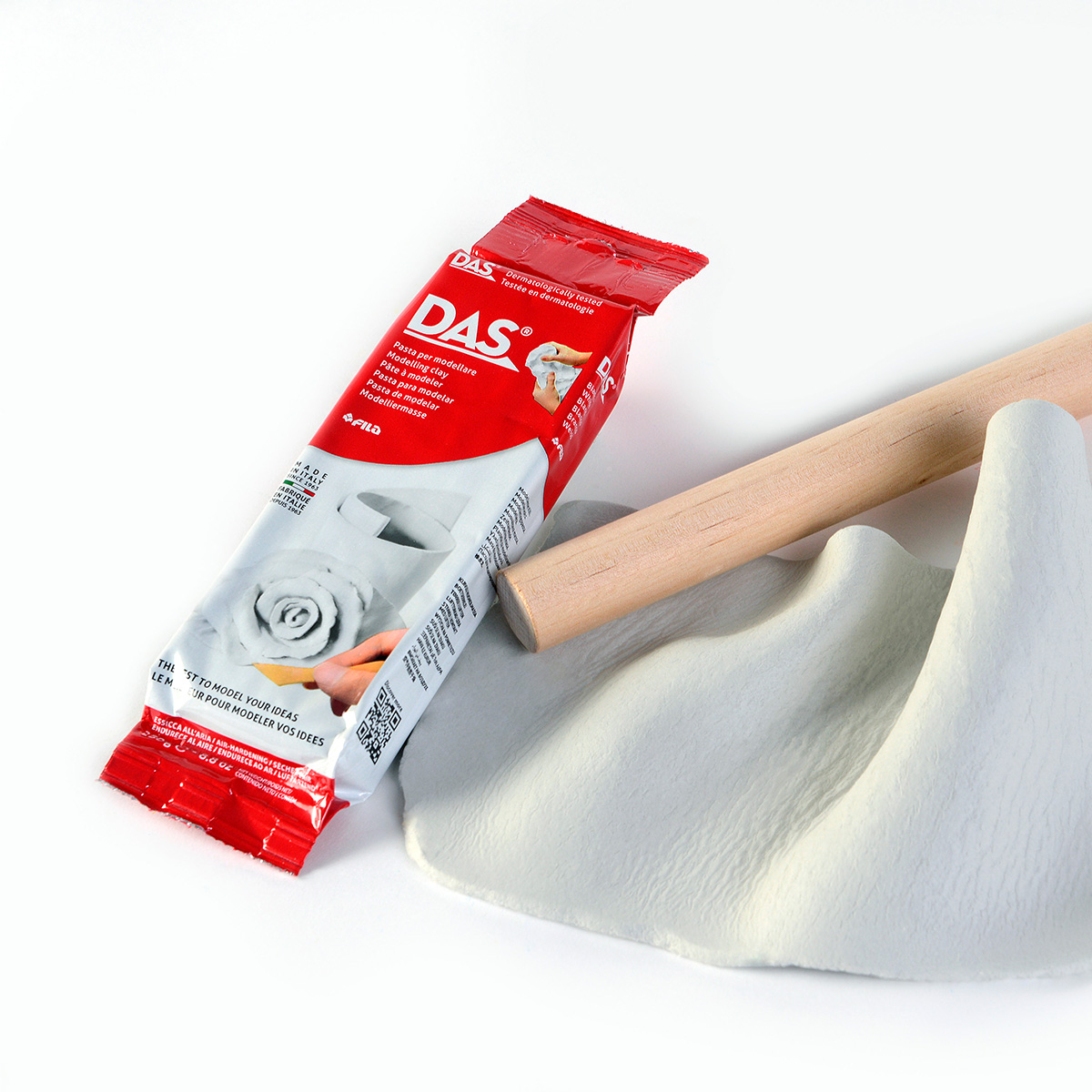
Some brands, such as DAS, offer air-drying clay in resealable packaging. This is convenient and helps reduce plastic use, as the packaging itself replaces plastic wrap. However, we still recommend placing the package inside an airtight container or plastic bag to be on the safe side.
Would you like to compare different brands and see which clay is best suited to different projects? Then take a look at our buying guide The best Air Dry Clay.


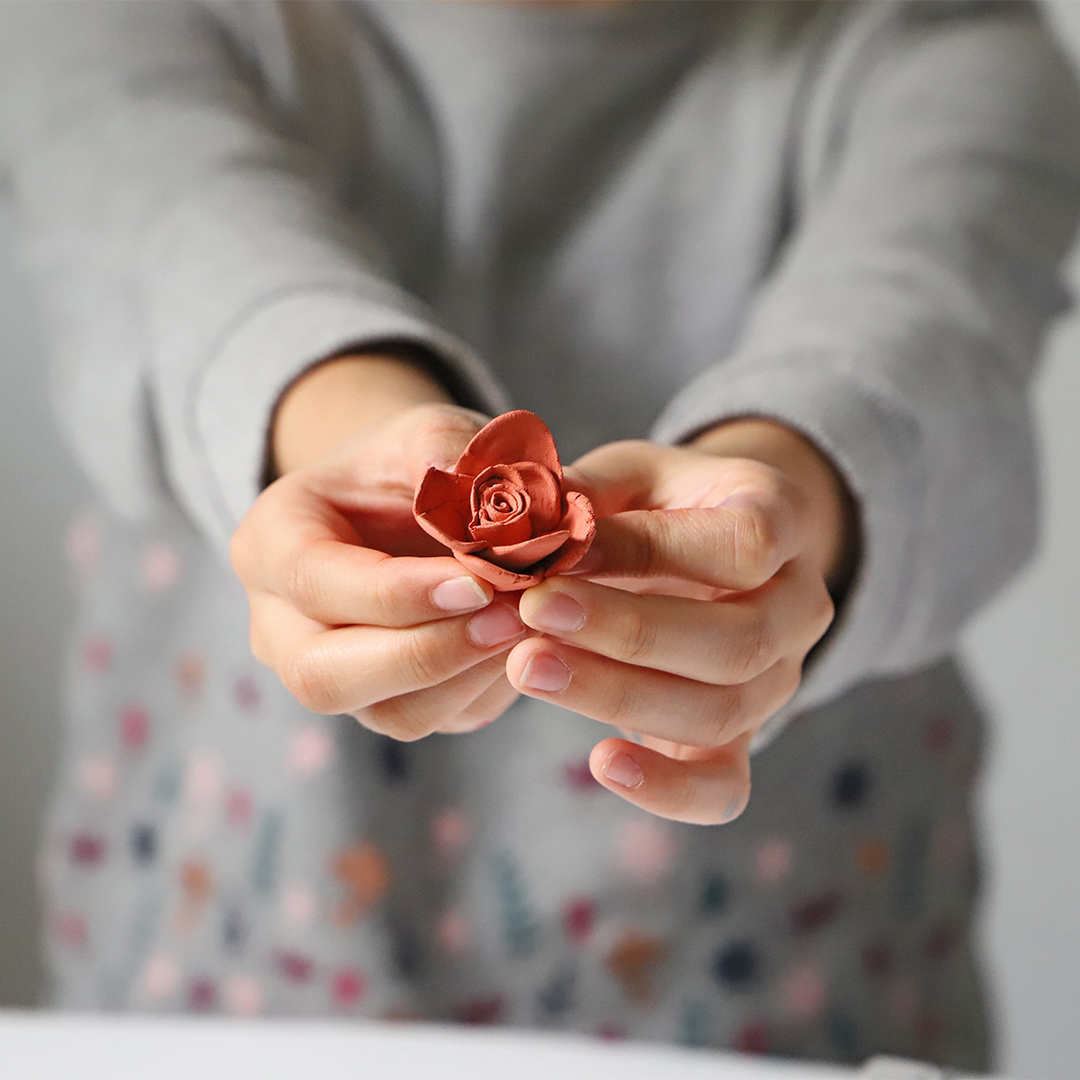
Steps to save dried out clay
If your air-drying clay has started to dry, there’s still hope! Here are a few ways to save it:
- Knead in some water: Add a few drops of water and gently knead it into the clay. Go slowly to avoid making the clay too sticky.
- Use a damp cloth: Place the clay in a plastic bag with a damp cloth and let it sit for a few hours. This allows the clay to slowly absorb moisture.
- Soften small pieces: If the clay has broken into small, dry bits, put them in a bowl with a little water and let them soften before kneading them together again.
- When is clay too dry to save? If it’s rock hard, unfortunately it’s too late to restore. In that case, you can use the pieces as filler material in other projects or recycle them by grinding into powder and mixing with new clay.
How long does unopened air-dry clay last?
An unopened package can last for several months up to a year, depending on the brand and storage conditions. Store it in a cool, dry place for the best shelf life!
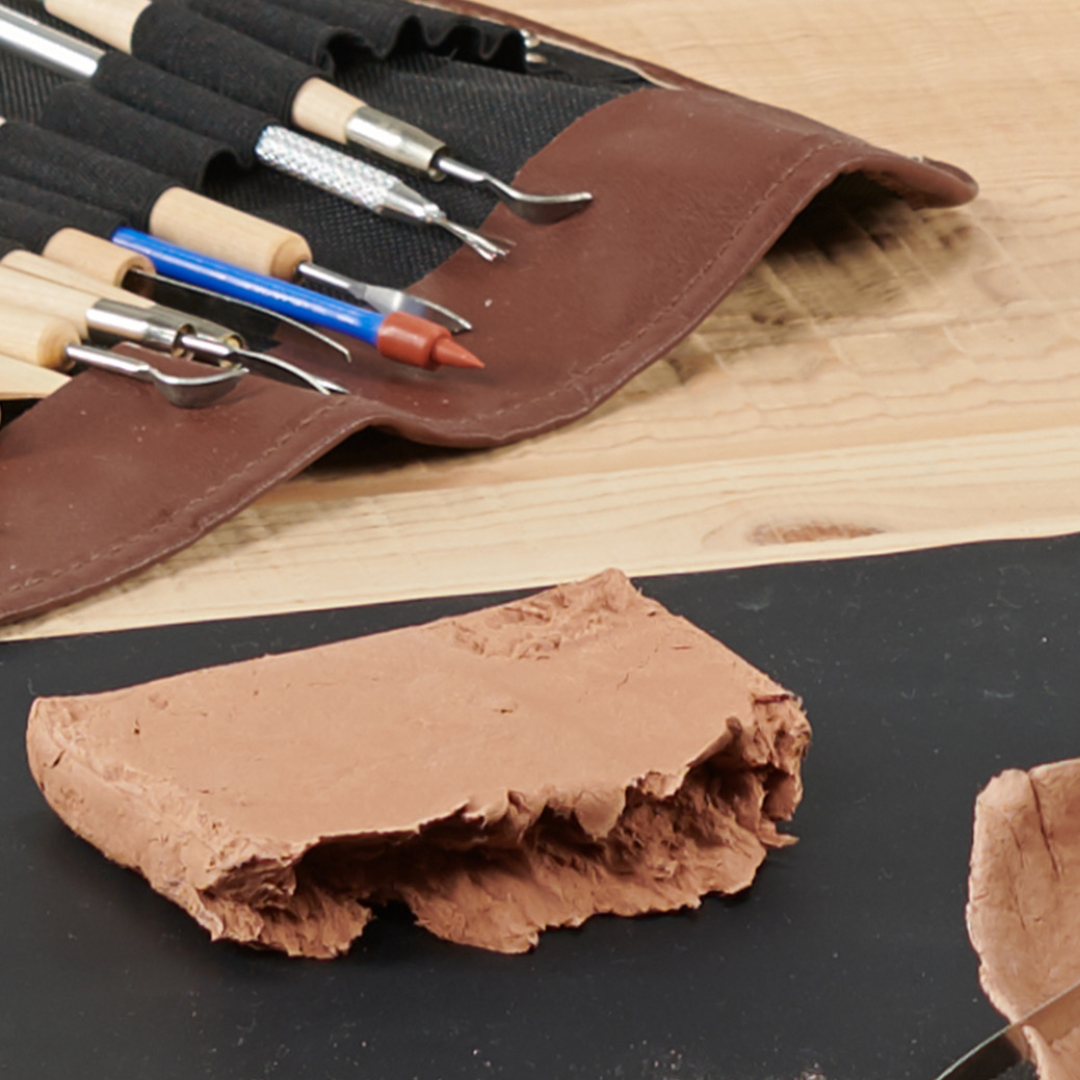
Common mistakes when storing air-dry clay
- Storing the clay in a paper bag: Paper absorbs moisture and can cause the clay to dry out faster. Use plastic bags or airtight containers instead.
- Leaving the clay uncovered while working: If you take a break, cover the clay with plastic wrap or a damp cloth to prevent the surface from drying out.
- Storing the clay in extreme temperatures: Heat can cause the clay to dry out faster, while cold temperatures may affect its consistency. Store it in a cool, stable environment for the best shelf life.
- Adding too much water: If you are trying to rehydrate the clay, add water gradually. Too much water can make it overly sticky and difficult to work with.
- Mixing different clay brands: Since different clays have varying drying times and properties, mixing them may lead to cracks or uneven results.
Want to learn more about air-dry clay?
Now that you know how to take care of your clay properly, you might feel inspired to start a new project or learn more about how this popular medium works. Everything you need to know can be found in the guide All about air-dry clay.

Air-dry clay →
Oven-bake clay →
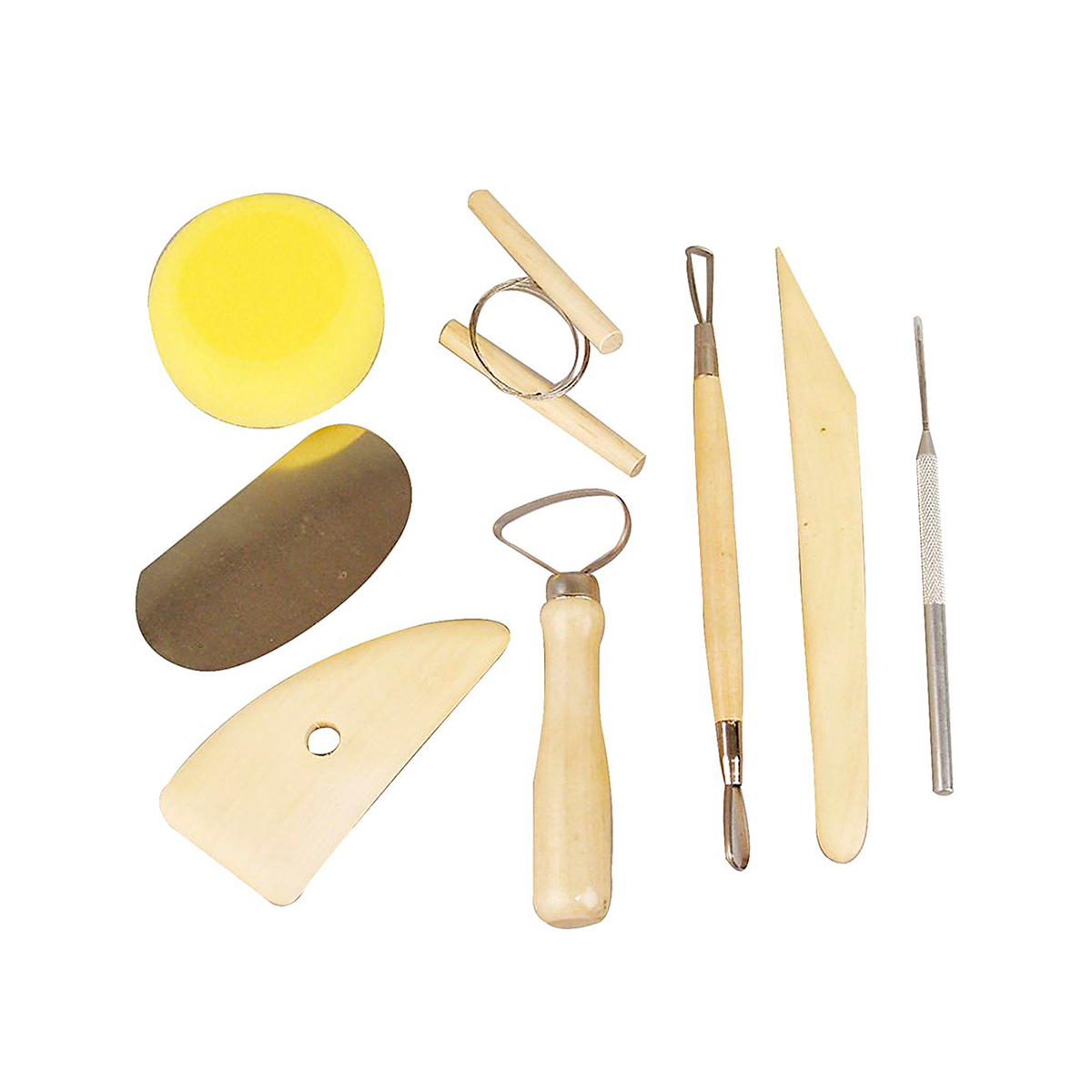
Tools for clay →