United Kingdom (GBP)

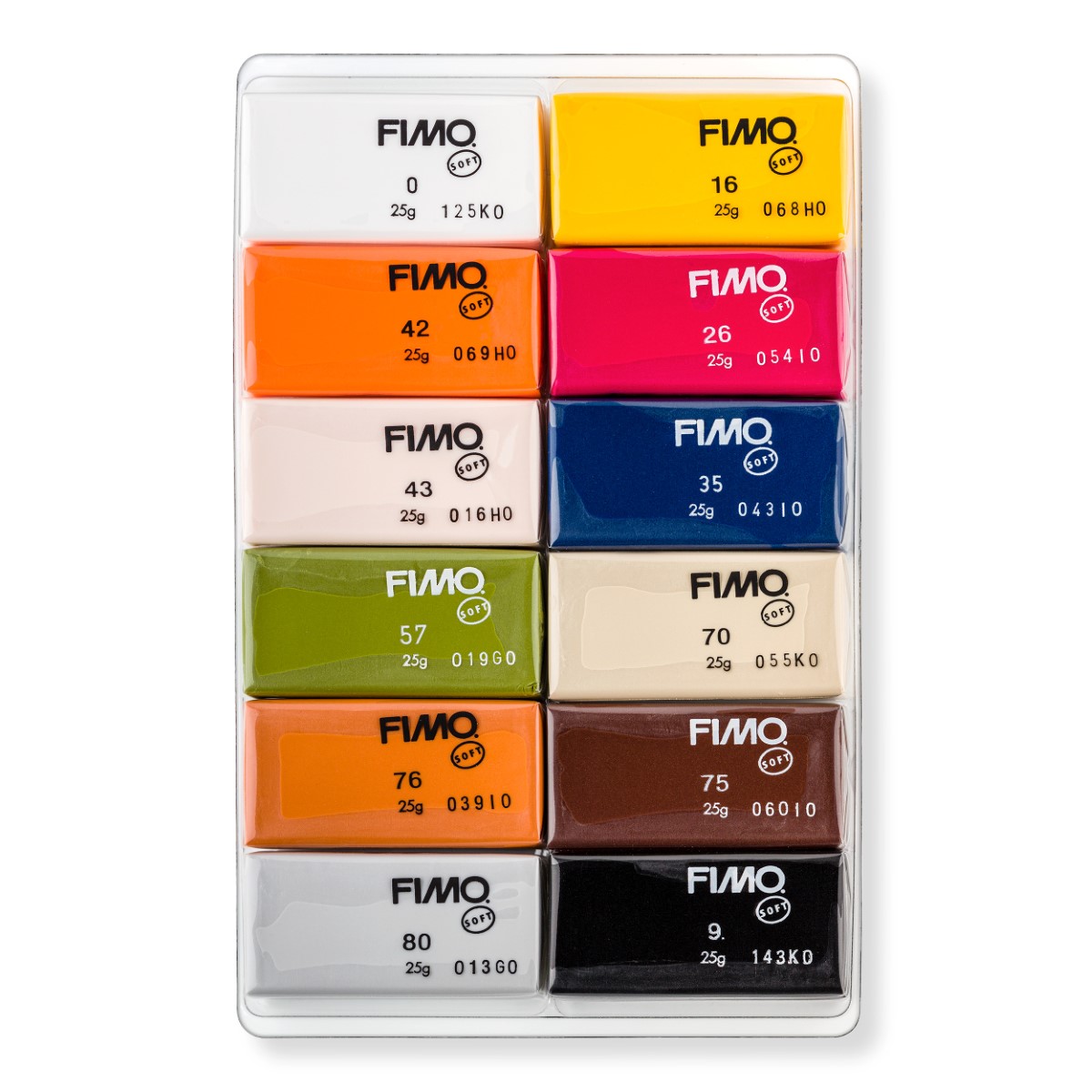
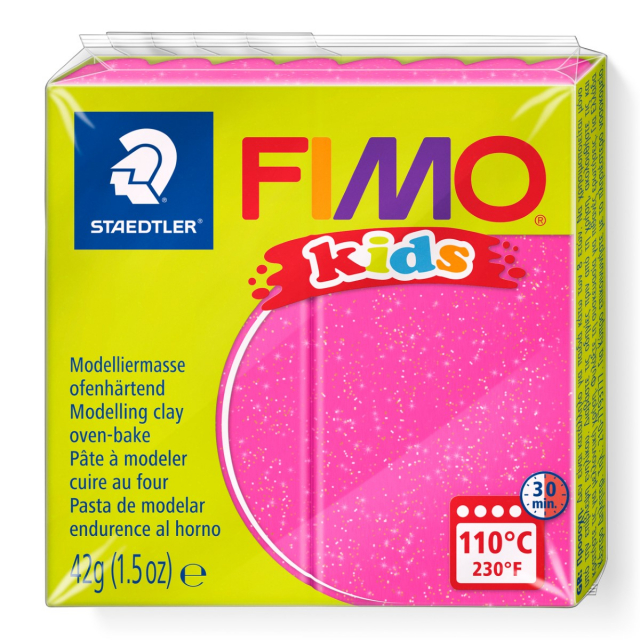
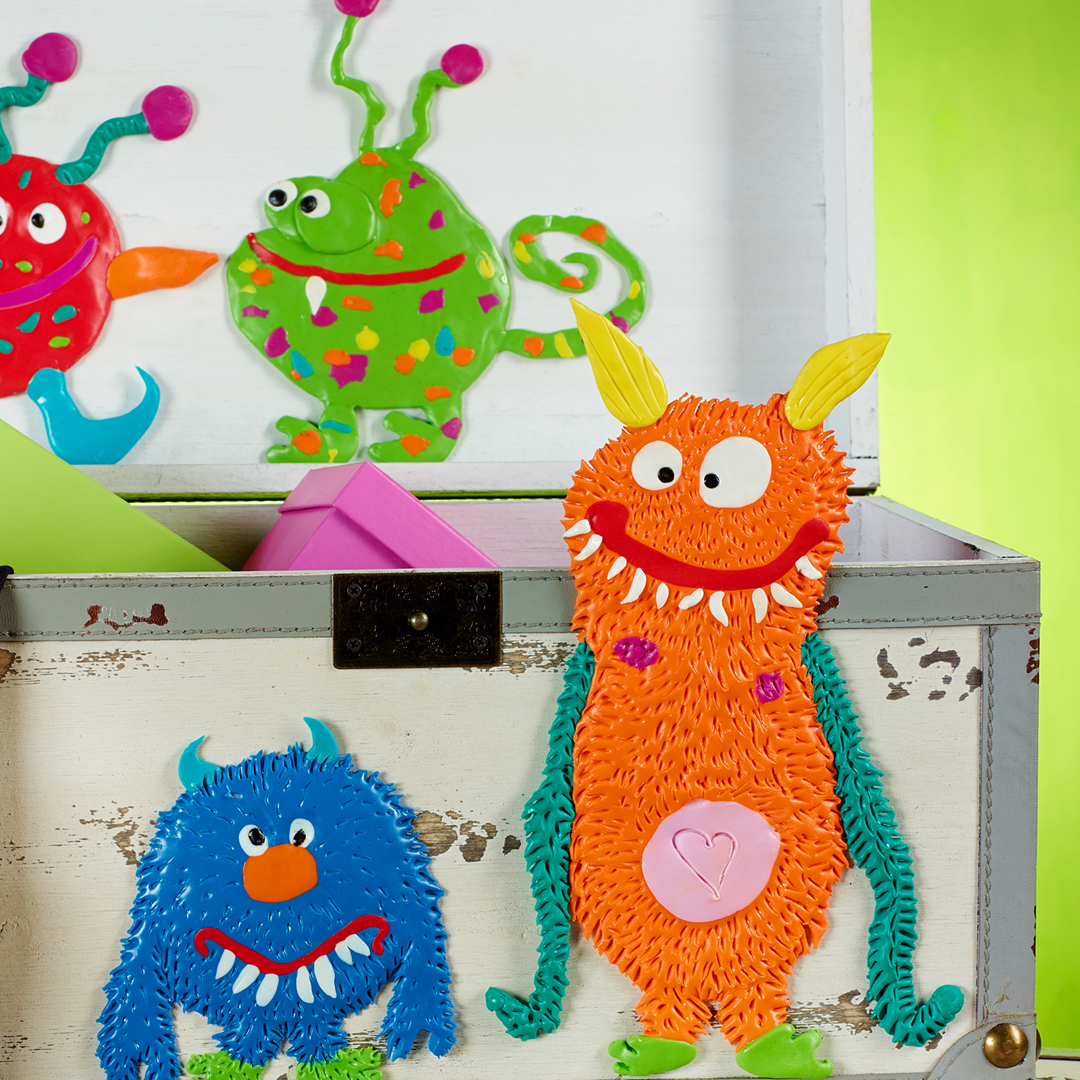
Oven-hardening polymer clay (also known as FIMO clay or Cernit clay) is a popular material for both hobby crafters and artists, but it needs the right handling to maintain its flexibility and quality. Incorrect storage of polymer clay can make it dry, brittle, or even permanently damaged. In this post, we’ll guide you through the best tips for organising, storing, and restoring your polymer clay, so you’re always ready for your next creative project.
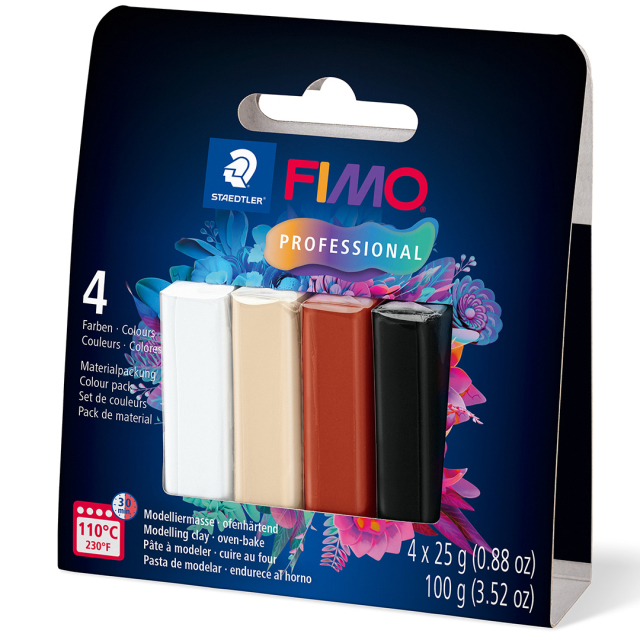

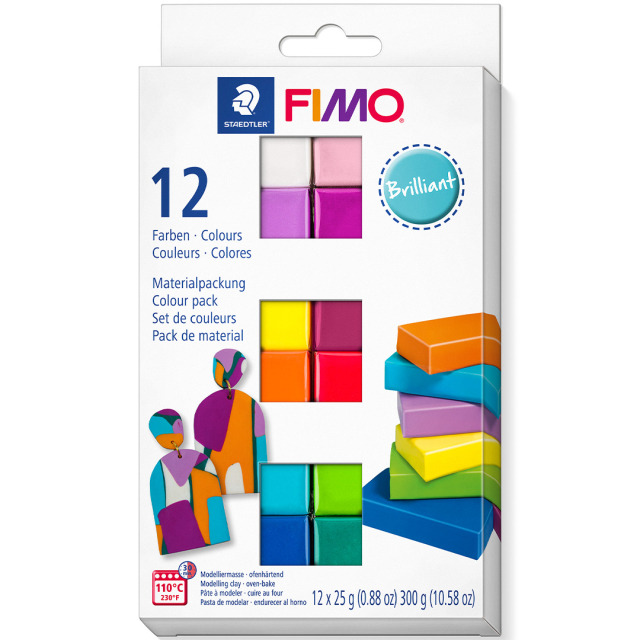
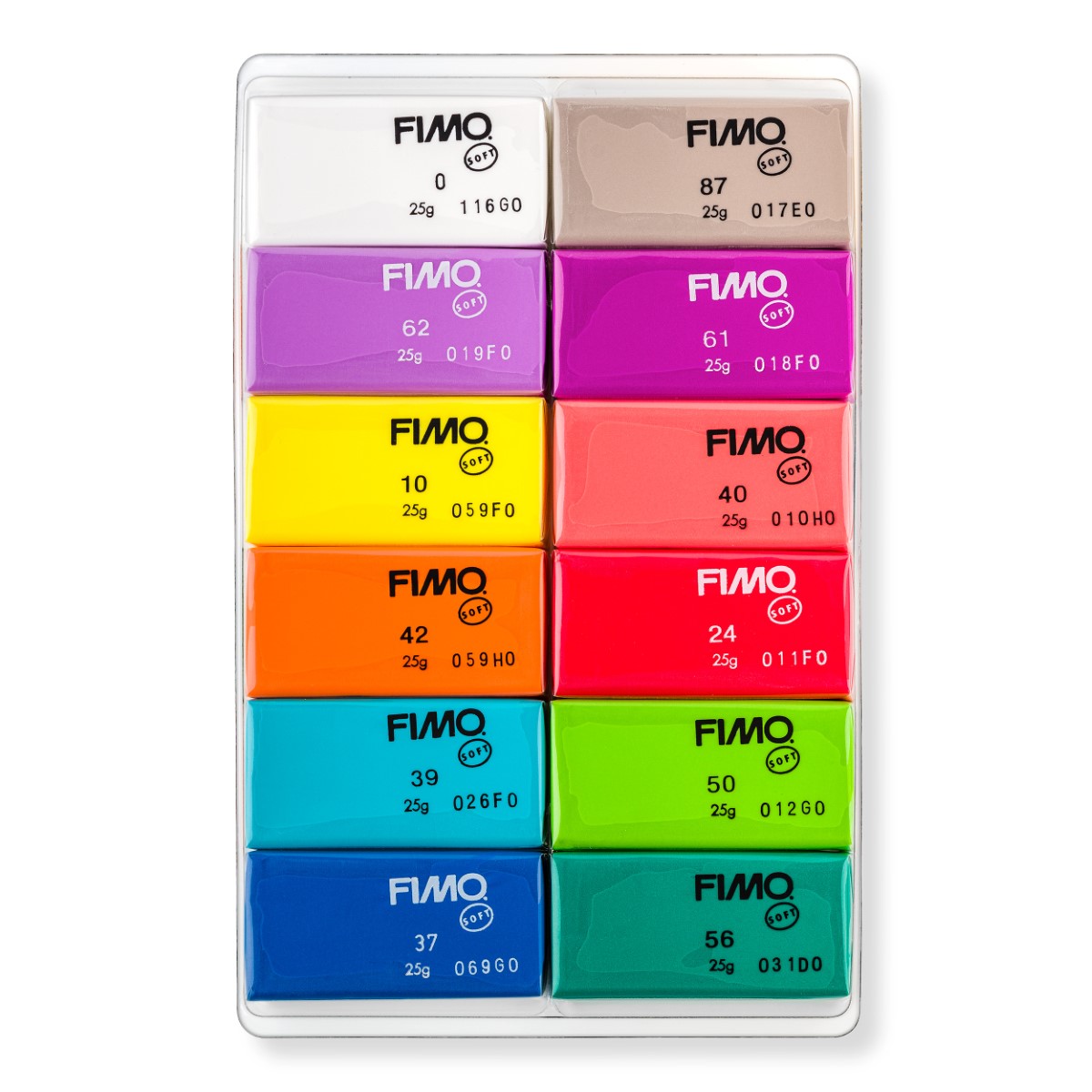
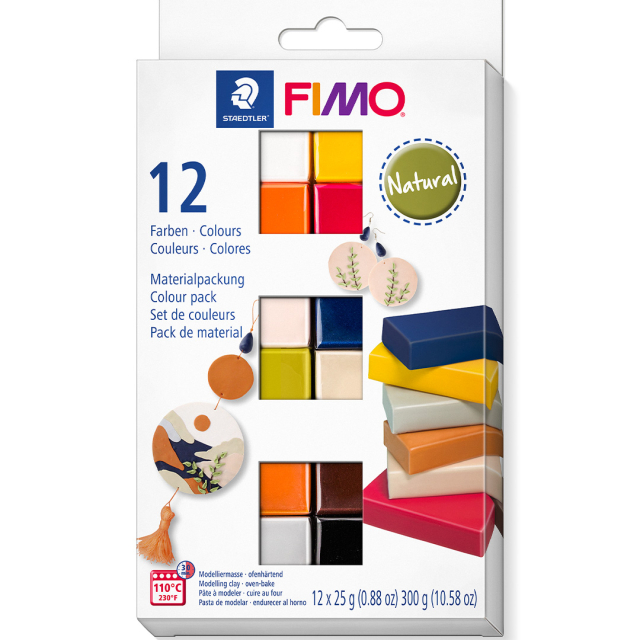
Why is proper storage of polymer clay important?
Polymer clay is sensitive to air, heat and dust. If stored incorrectly, it can quickly become dry, hard and difficult to work with – sometimes in just a few days. By keeping the clay in airtight containers, protected from sunlight and heat, you can extend its lifespan and preserve its flexibility. A well-thought-out storage system also makes it easier to keep track of the colours in your collection and reduces the risk of accidentally mixing shades. This not only makes the clay more durable, but also keeps your creative work smoother and more organised.
Storing and organising polymer clay: 5 tips
1. Use Airtight Bags or Plastic Boxes
Polymer clay does not dry out like air-dry clay, but it can become harder and more difficult to work with if exposed to cold or dust. Store the clay in zip-lock bags or airtight plastic boxes to protect it from dirt and contamination.
2. Store the Clay in Organised Boxes
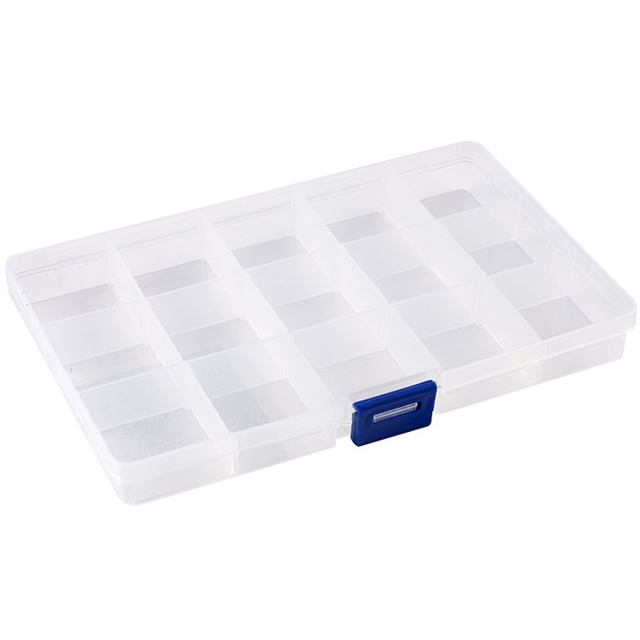
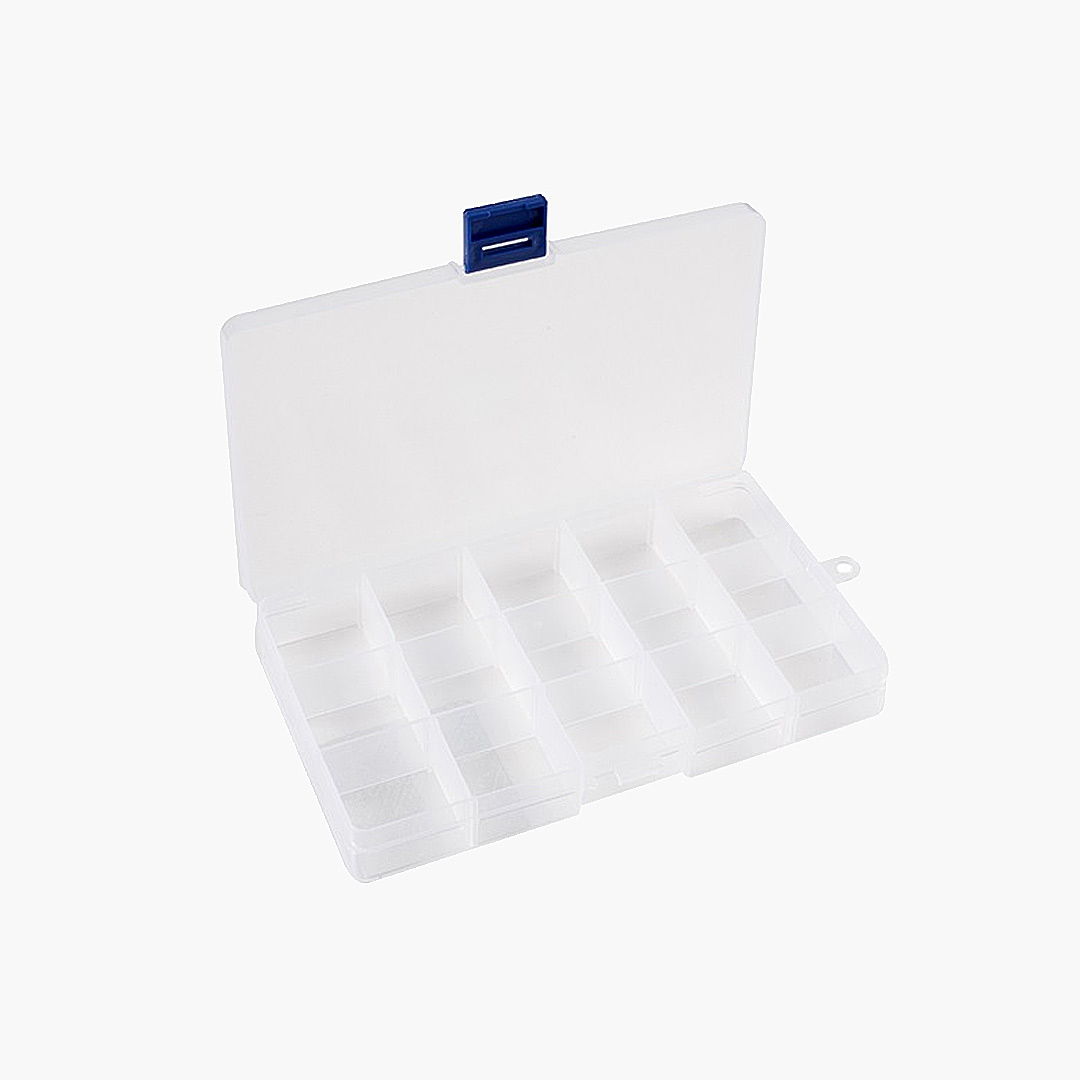
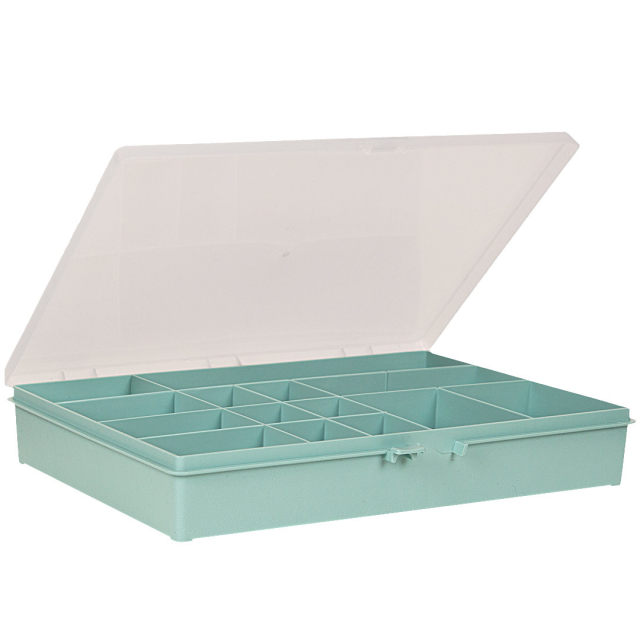
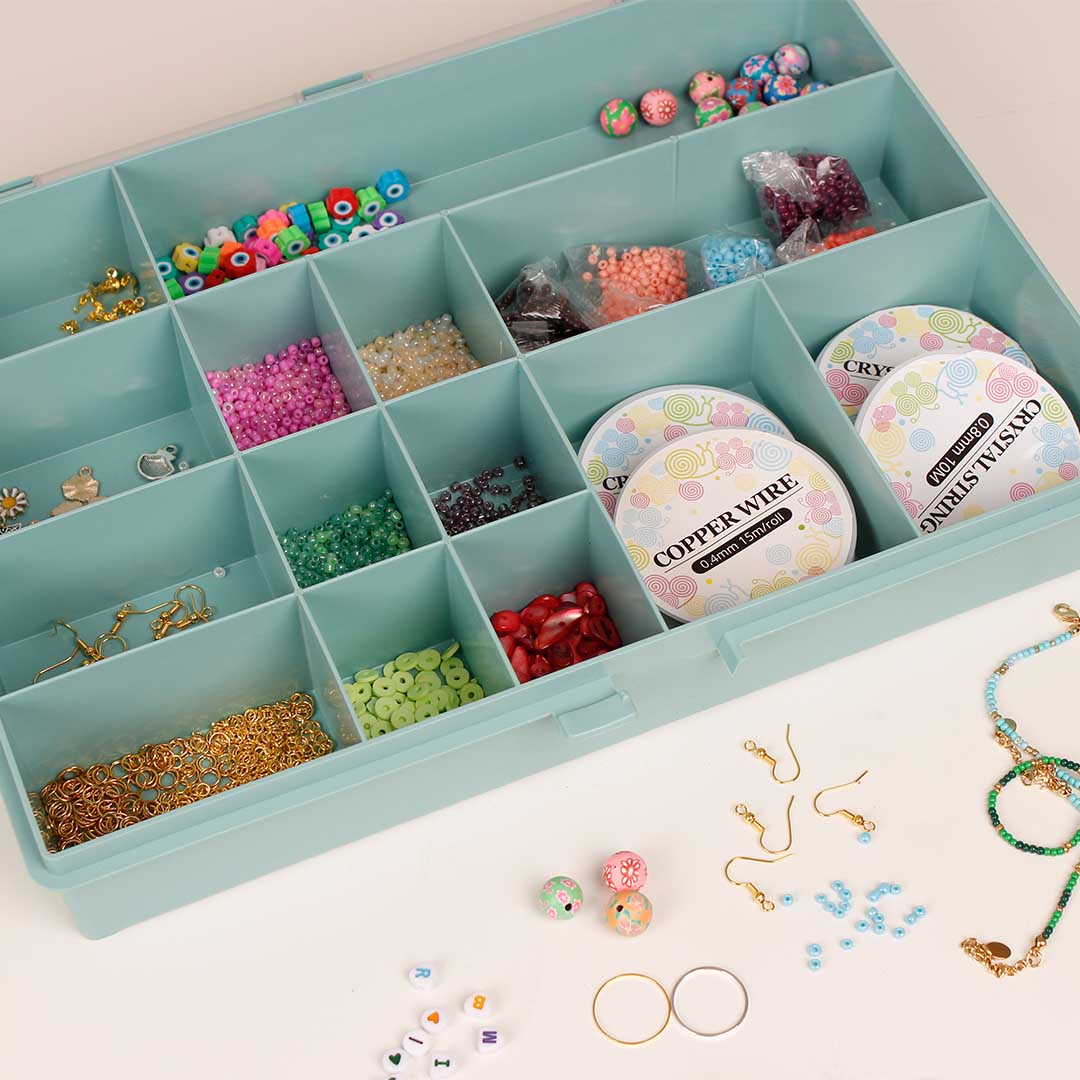
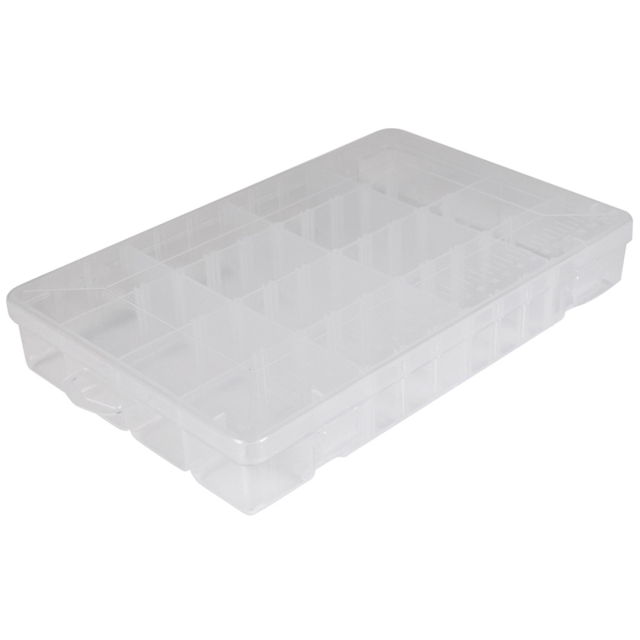
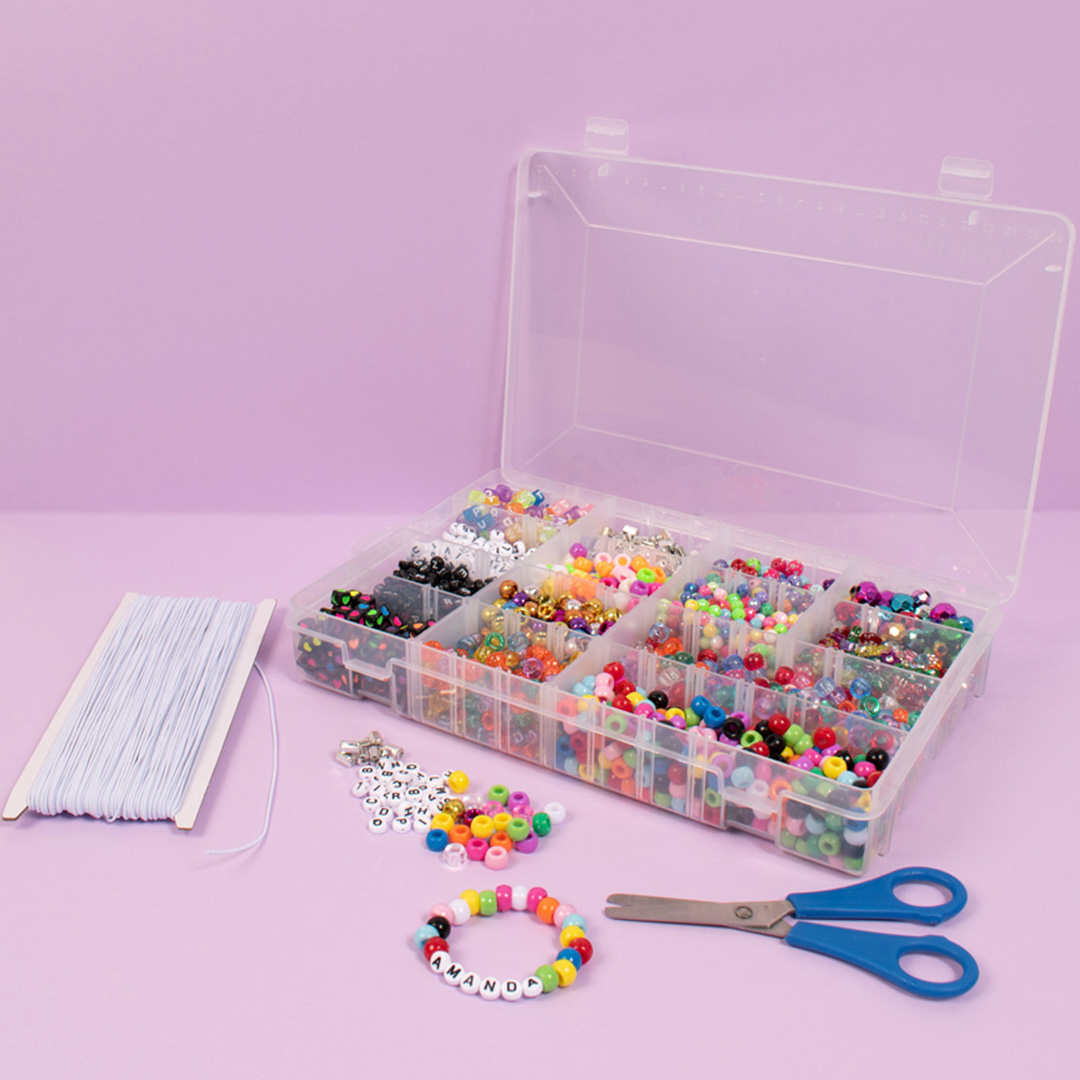
A practical way to keep your polymer clay organised is to use a storage box with a transparent lid and multiple compartments. This makes it easy to colour-coordinate your clays and quickly get an overview of your materials.
3. Avoid Contact with PVC Plastic Containers
Some plastic boxes and bags can react with polymer clay, making it sticky or breaking down its structure. To be on the safe side, store the clay in zip-lock bags inside the plastic box. This keeps it safe from dirt while keeping your clay collection organised.
4. Store the Clay at the Right Temperature
Polymer clay should be stored at a temperature between 15–25°C. Excessive heat can make it too soft and sticky, while cold can make it hard and difficult to work with. Avoid storing it near radiators, windows, or in direct sunlight.
5. Keep the Clay Away from Dust and Dirt
Polymer clay is static and easily attracts dust and lint. Wash your hands before working with the clay and store it in a closed container when not in use for a better end result.
Tips for Restoring Hardened Polymer Clay
Polymer clay can become hard and difficult to work with if it has been stored incorrectly or has aged. Fortunately, there are several ways to restore its flexibility. Here are some effective methods:
- Warm up the clay: Hold the clay in your hands to use your body heat, or place it in a plastic bag and submerge it in warm water for a few minutes.
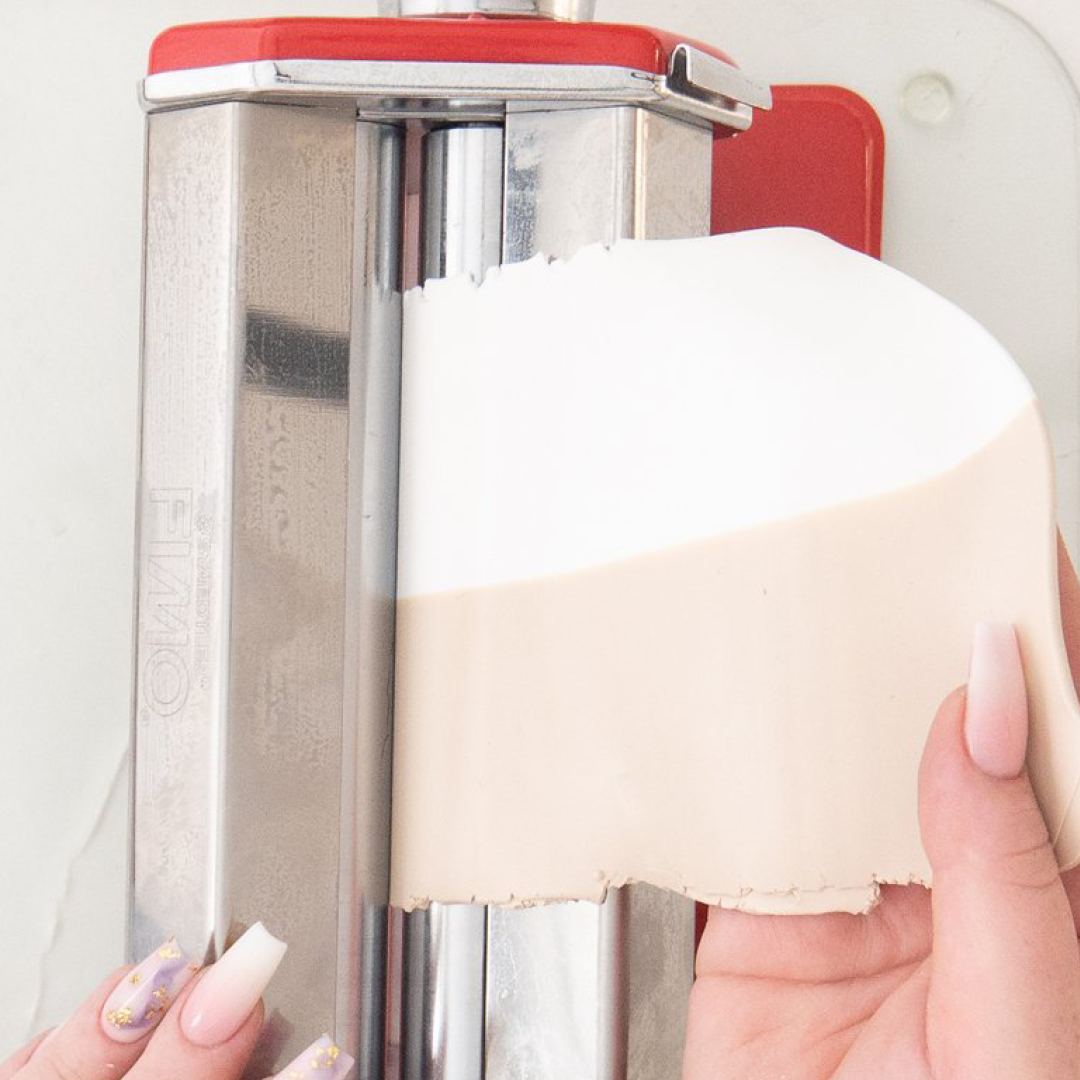
- Knead the clay: Work the clay by kneading it firmly. A pasta machine or rolling pin can also help make it more pliable.
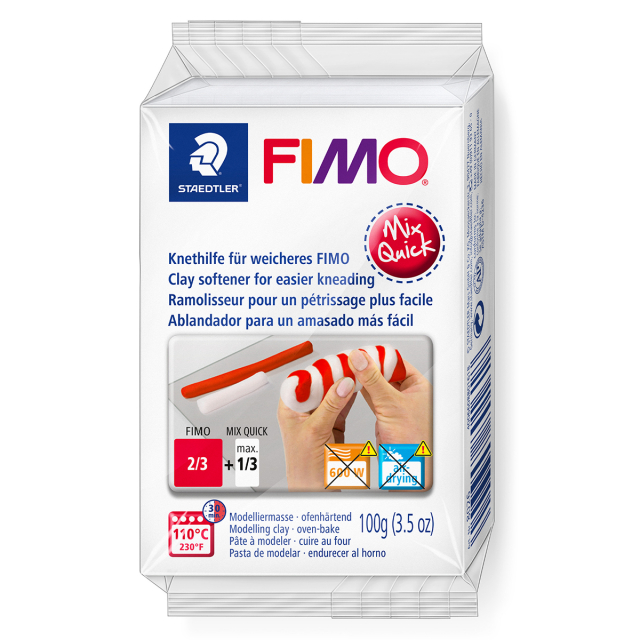
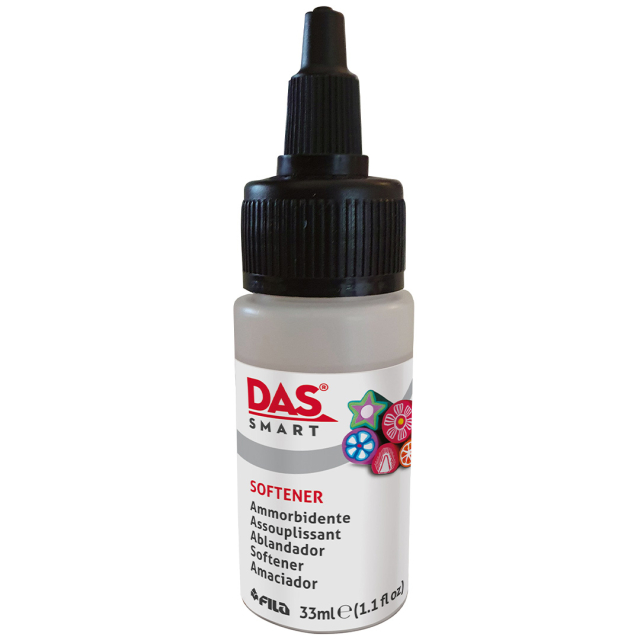
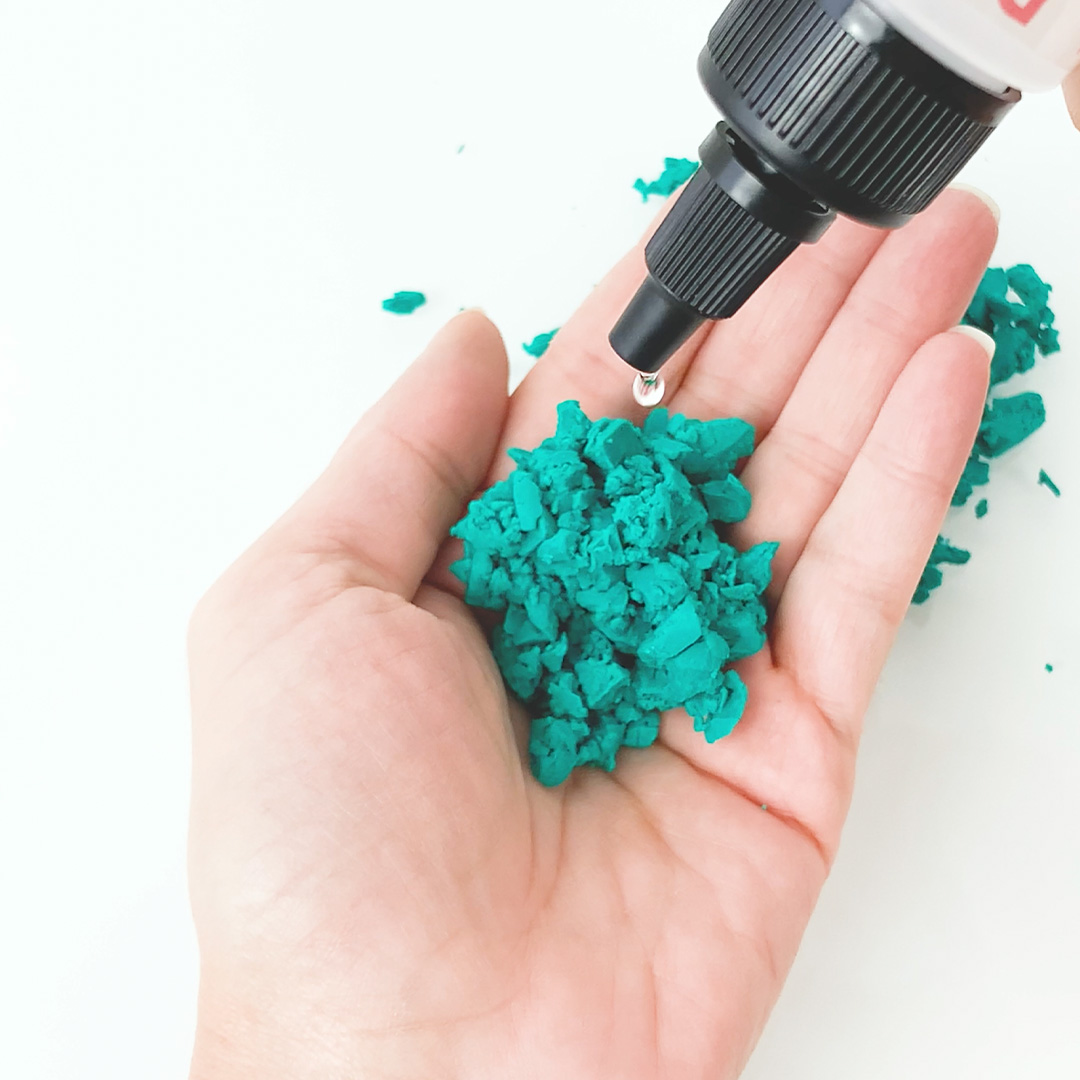
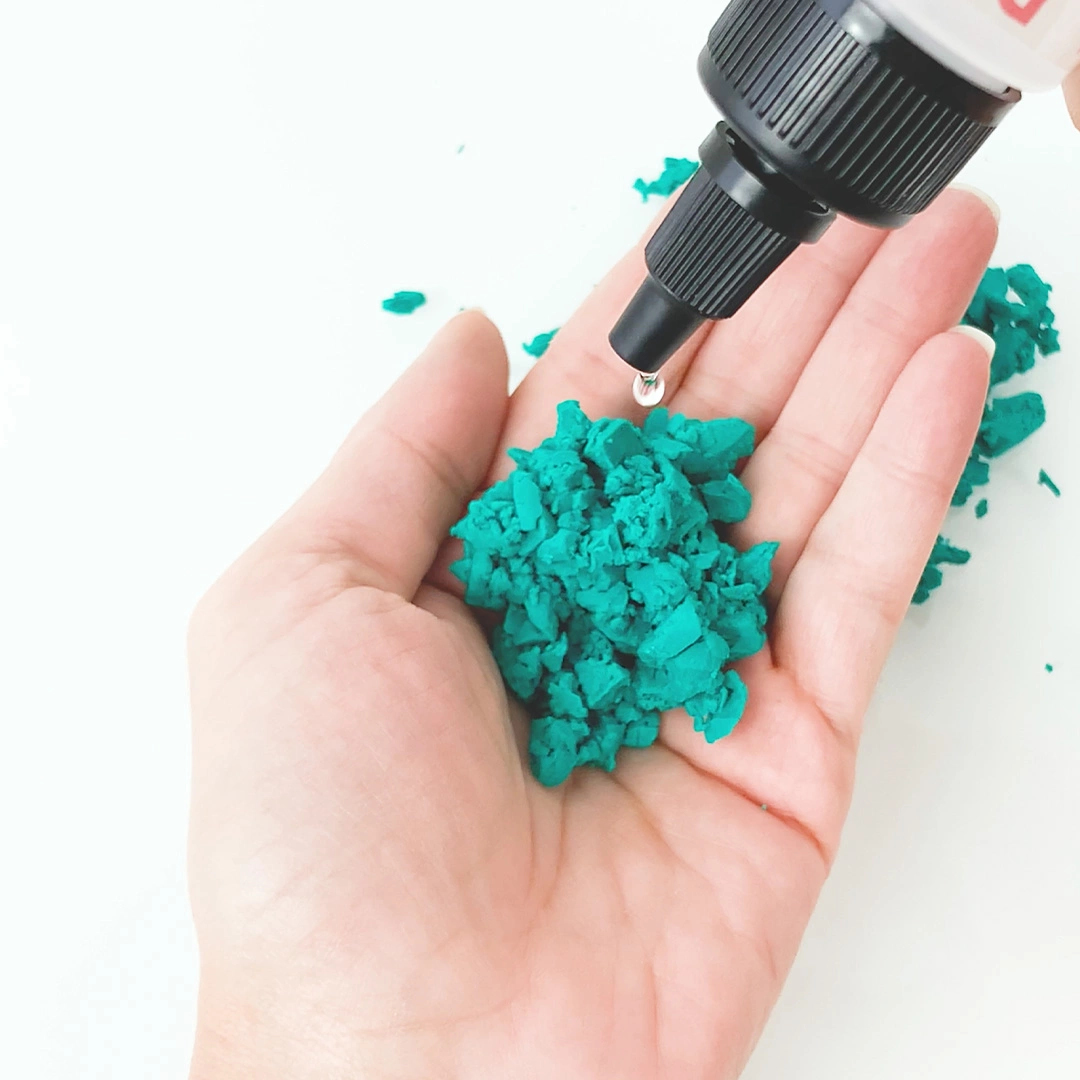
- Add a softener: If the clay is still hard, try using a softener. We sell softeners from DAS and Staedtler FIMO, but you can also try baby oil, mineral oil or petroleum jelly. Add a little at a time to avoid making it too sticky.
- Mix with softer clay: Combine hard clay with a softer variety by kneading them together until you achieve the desired consistency.
- Let the clay rest: Store the clay in an airtight container for a while to see if it regains its flexibility.
Common mistakes when storing polymer clay
- Storing polymer clay in paper: Paper can absorb oils from the clay and make it drier over time.
- Leaving the clay in direct sunlight: Heat can cause the clay to start hardening, which affects how easy it is to shape.
- Using the wrong type of plastic: PVC-based plastic containers can break down polymer clay and make it sticky.
- Extreme temperatures: Store the clay somewhere with a stable temperature to keep it in the best possible condition.
- Storing different colours all mixed together: Dark colours can transfer onto lighter ones if they are stored together without separation.
Want to learn more about polymer clay?
Once you start creating with polymer clay, the colours, tools and little pieces of clay often quickly take over your workspace. That is why smart storage and a bit of organisation are often the key to a more enjoyable and harmonious creative process. You can find more useful tips and inspiration for creating with polymer clay in our guide All about polymer clay.

Air-dry clay →
Oven-bake clay →
Tools for clay →